
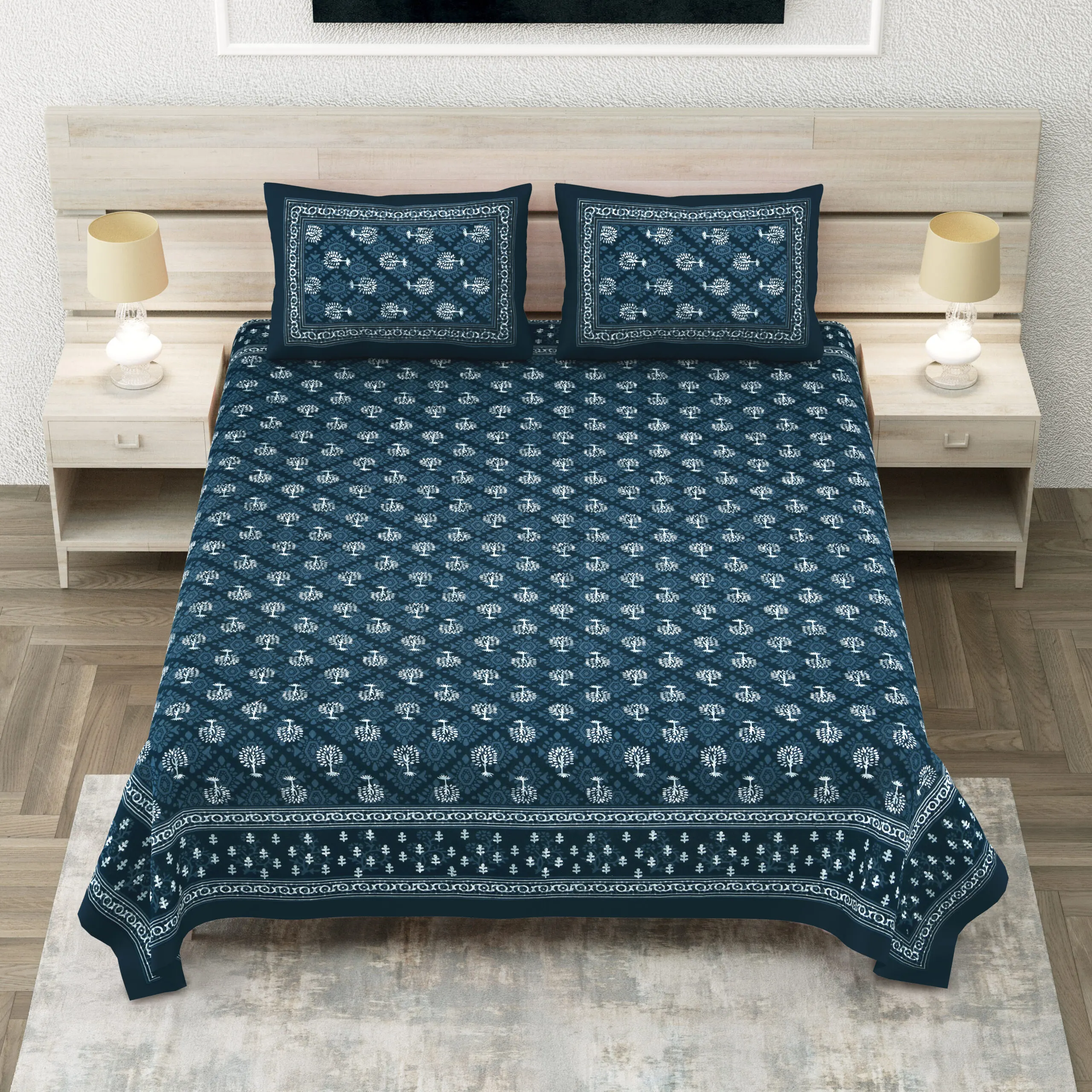
Jaipur prints offer some of the strongest bedsheet retail profit margin India opportunities in home textiles, because the craft story lets you charge for more than the fabric alone. To learn how to price Jaipuri bedsheets: apply at least a 2x markup on direct-factory wholesale cost as a baseline, then use value-based pricing on story-rich SKUs. Knowing how to sell hand block print bedsheets — pitching the artisan, hand-stamped, natural-dye story — regularly justifies pricing well above standard retail markup strategy home furnishings formulas. Combine this with Good-Better-Best display anchoring and premium packaging to build a genuine premium home textiles business India. Call / SMS 8107492335 for our high-margin wholesale catalogue.
What This Guide Covers
Most home furnishings categories compete on razor-thin, commodity-style markups. Jaipur prints are the exception — because they carry five centuries of craft heritage, a genuine artisan story, and a level of visual distinctiveness that generic printed bedsheets simply cannot replicate. That combination is exactly what lets a well-positioned retailer charge 2x margins rather than settling for the standard 20% markup most home textile categories are stuck with. This playbook covers the pricing math, the story, the display psychology, and the packaging tactics that together make this possible.
The Margin Math
Before anything else, get the baseline numbers right. Here is the actual math using our current direct-factory wholesale pricing, showing what a 2x markup looks like across print tiers — your floor, not your ceiling.
| Product | Wholesale Cost | 2x Retail Price | Resulting Margin |
|---|---|---|---|
| Sanganeri White Base | ₹350 (avg) | ₹700 | 50% |
| Bagru Screen Print | ₹600 (avg) | ₹1,200 | 50% |
| Dabu Indigo | ₹600 (avg) | ₹1,200 | 50% |
| Authentic Hand Block | ₹900 (avg) | ₹1,800–₹2,499 | 50%+ (story premium) |
Notice the hand block row: a 2x markup lands around ₹1,800, but well-positioned retailers regularly price authentic hand block at ₹2,499 or more — because that price isn't set by cost-plus math alone, it's set by what the craft story is worth to the customer buying it. That's the gap this playbook is built to help you capture.
Value-Based Pricing vs. Cost-Plus
Standard retail runs on cost-plus pricing: take your cost, add a fixed percentage, done. It's simple, but it caps your margin at whatever that fixed percentage allows — and it treats every product as an interchangeable commodity. Value-based pricing does something different: it prices based on what the product is worth to the customer, not just what it cost you.
Two Pricing Philosophies — Side by Side
This is exactly why knowing how to sell hand block print bedsheets matters more than knowing how to sell a plain white sheet. When you tell a customer that each piece is individually hand-stamped by an artisan using carved wooden blocks, that no two pieces are perfectly identical, and that the dyes are natural and eco-friendly, you are no longer competing on the price of cotton per metre — you're selling a story that a machine-printed alternative simply cannot tell.
The "Good, Better, Best" Display Strategy
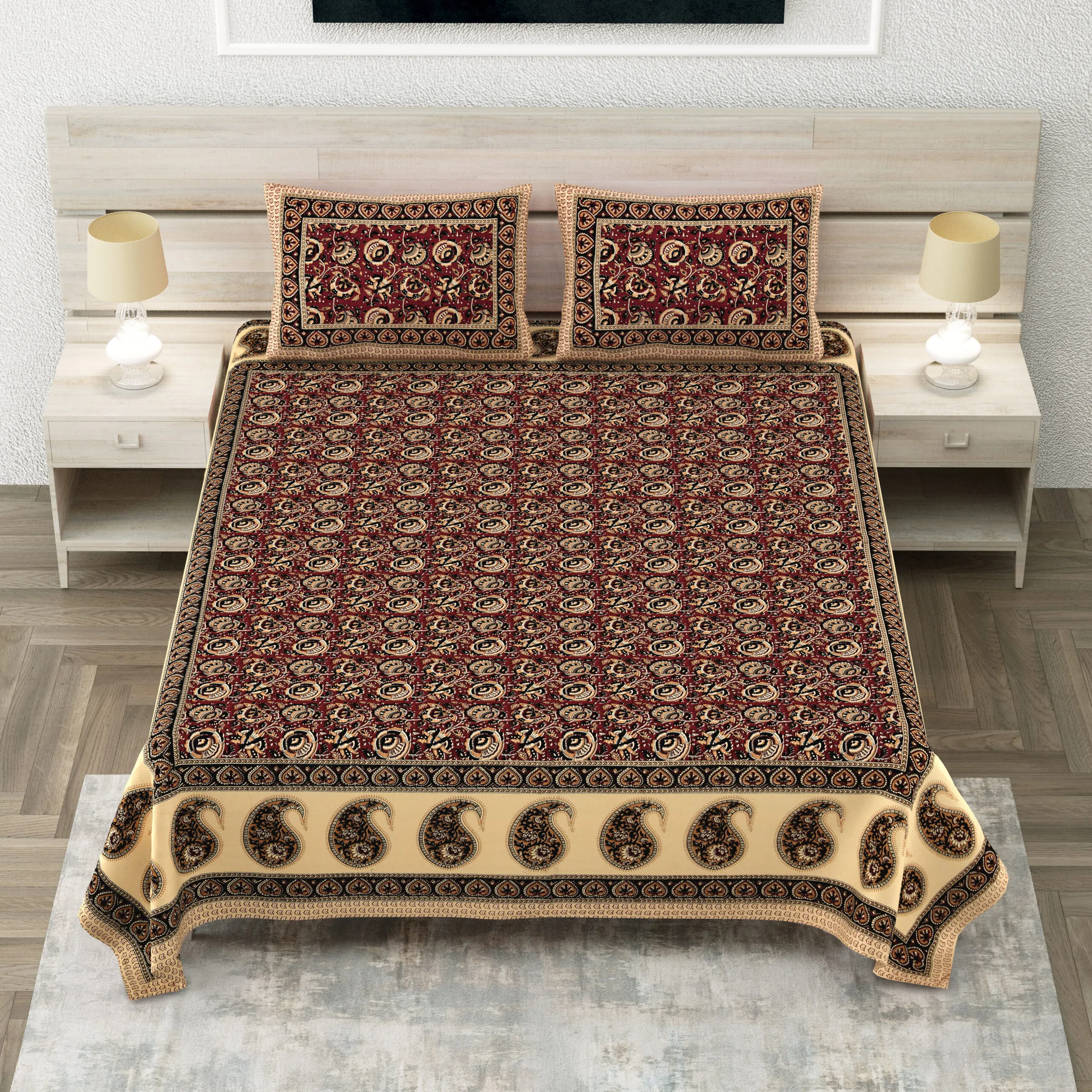
Price anchoring is a well-documented psychology principle: customers rarely evaluate a price in isolation, they evaluate it relative to what's displayed next to it. Show a ₹999 Sanganeri print alongside a ₹2,499 authentic hand block piece, and something predictable happens — the ₹999 option suddenly looks like an accessible entry price, the ₹2,499 option looks like a justified premium choice, and a middle option (if you add one) often becomes the most-chosen tier of all.
This works identically in a physical store display and on a website product grid. The key is displaying all three tiers together, not in isolation — the ₹2,499 piece doesn't need to sell in huge volume to do its job; its presence alone is what makes the ₹999 and ₹1,599 tiers feel like smart, considered choices rather than the cheapest option available.
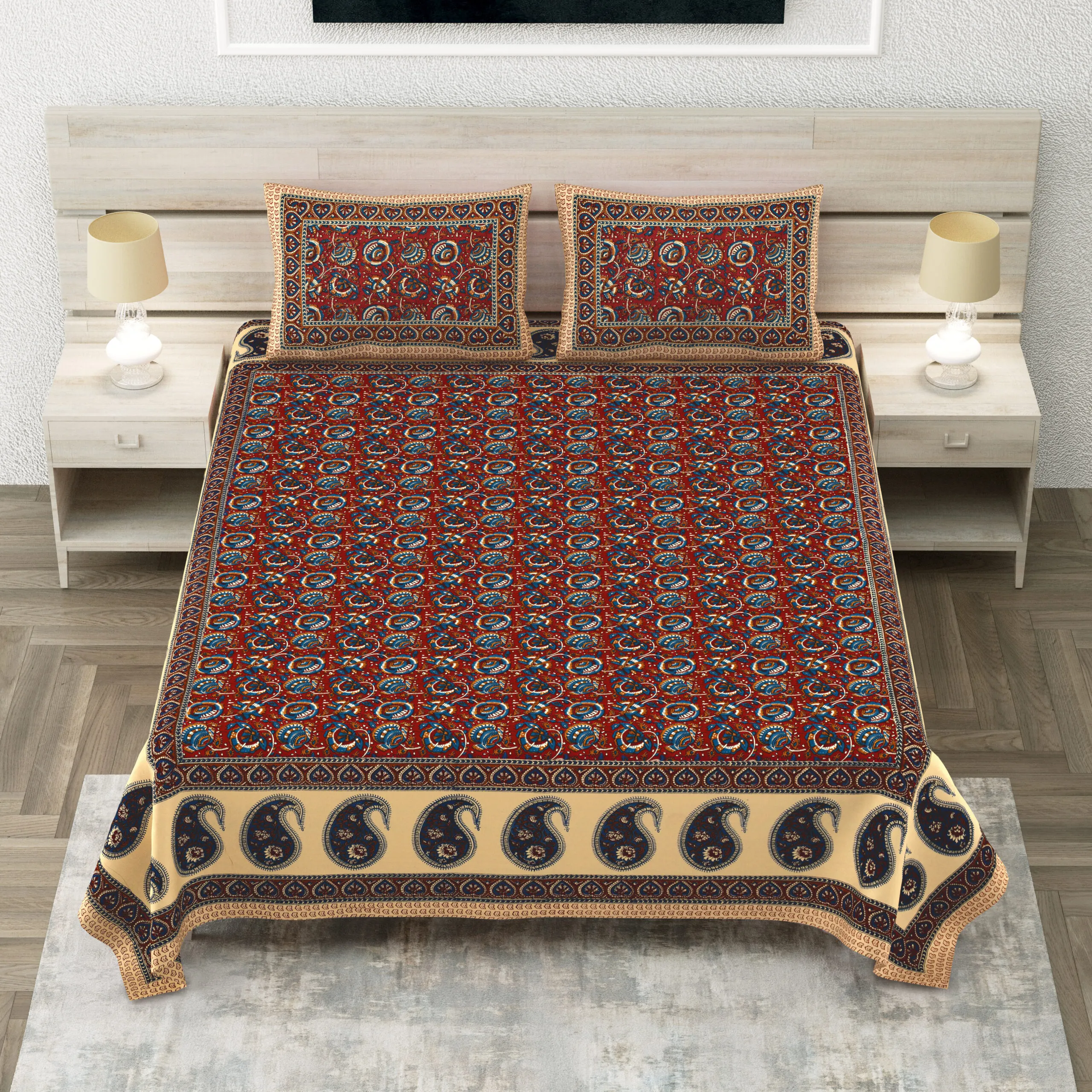
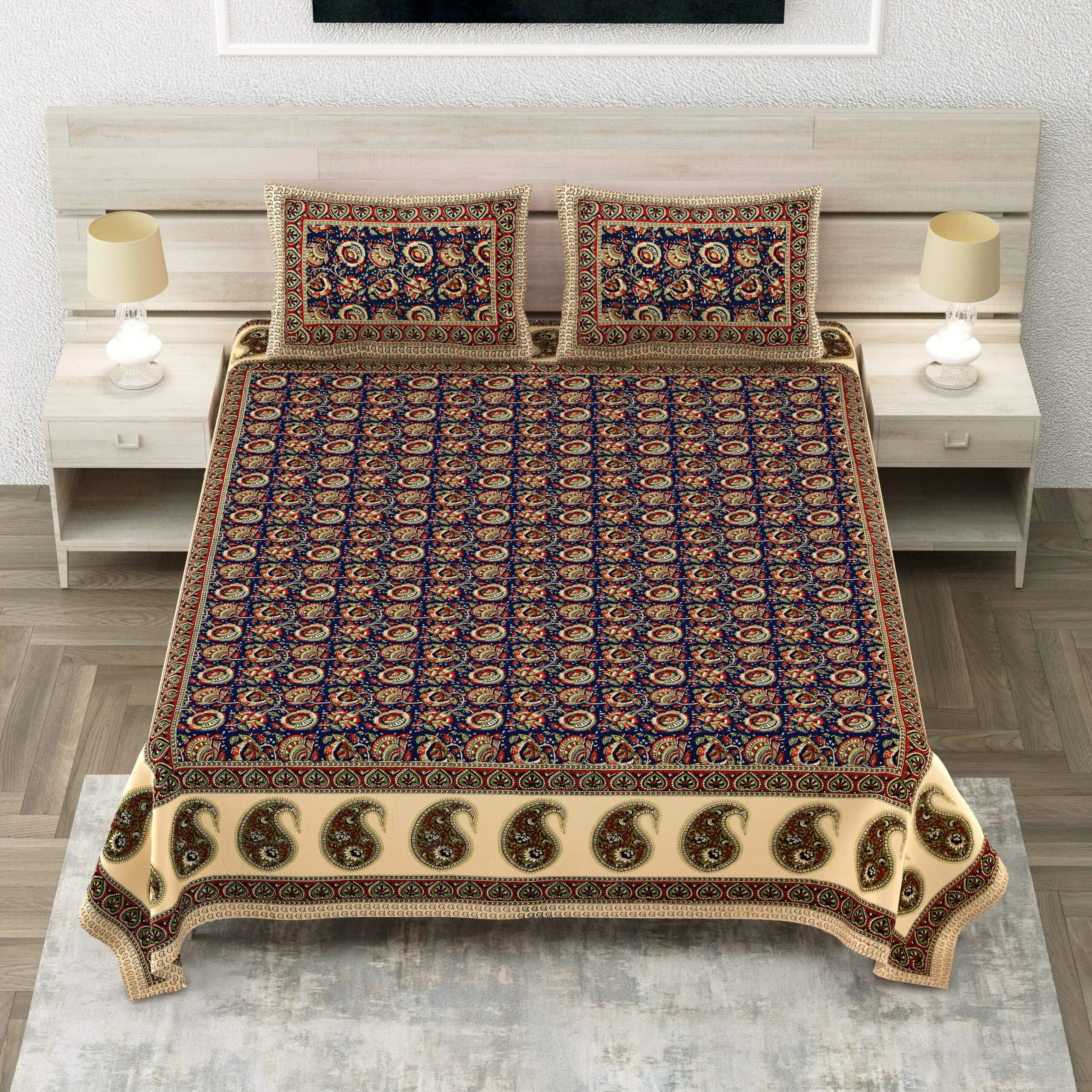
Build a Good-Better-Best display across our three print tiers
Call Now →The Impact of Premium Packaging
A retail price is judged before the customer ever unfolds the fabric — and packaging is doing that judging. A bedsheet presented in a plain poly bag reads as commodity stock, no matter how good the print inside is. The same bedsheet presented in a premium PVC bag or a rigid gift box instantly signals a considered, higher-value purchase, and gives the customer visual permission to pay more.
See our full breakdown of packaging options and when to use each for a deeper look at how presentation choices map to different retail positioning.
Stop Competing on Price
Every layer of intermediary between the factory and you adds a markup that compounds before you even start your own pricing calculation. A local wholesaler who buys from a manufacturer and resells to you has already added their margin — raising your cost basis and squeezing your achievable retail margin before you've made a single sale.
Buying direct from a Sanganer factory removes the trader's markup layer entirely, giving you the lowest possible cost basis to build a genuine retail markup strategy for home furnishings on — rather than being forced to compete on price against sellers with the same inflated cost you're trying to escape.
Frequently Asked Questions
Get Our High-Margin Wholesale Catalog
Call us for current wholesale pricing across Sanganeri, Bagru, Dabu, and authentic hand block — everything you need to build a Good-Better-Best display.