
A ₹150 wholesale bedsheet looks like free money — until it isn't. Understanding glace cotton vs pure cotton bedsheets matters because glace cotton is usually 100% synthetic polyester or microfiber with a shiny chemical finish that traps heat and causes sweating, frequently sold under the word "cotton" anyway. The disadvantages of glace cotton bedsheets — faster pilling, shorter lifespan, poor skin-friendliness — drive a documented high return rate bedsheets on Meesho and similar platforms see for mislabeled synthetic stock, and those RTO penalties wipe out the initial margin advantage entirely. Learn how to identify pure cotton bedsheets with a simple burn test before you commit to a bulk order. Call / SMS 8107492335 to request a 100% pure cotton wholesale sample from a verified pure cotton wholesale bedsheets Jaipur manufacturer.
What This Guide Covers
Every wholesale buyer has, at some point, been offered a bedsheet lot at ₹150 that seemed almost too good for "pure cotton." In a meaningful share of those cases, it was too good — because it wasn't pure cotton at all. This is the glace cotton trap: an attractive entry price that looks like a margin windfall on day one, and quietly costs far more than it saved once returns, negative reviews, and a damaged seller rating are added up.
What is Glace Cotton?
Despite the name, glace cotton is usually not cotton at all in any meaningful sense. It is typically a 100% synthetic polyester or microfiber fabric finished with a shiny, resin-based chemical glazing process that gives it the smooth, slightly reflective surface many buyers mistake for a premium cotton sateen. That glazing and synthetic fiber base together create the exact problem that drives complaints: they trap body heat and moisture against the skin instead of letting it escape.
Chemical Glazing
A resin or wax finish rolled onto the fabric surface, creating shine and wrinkle resistance while sealing off natural breathability.
Heat Trapping
Synthetic polyester fiber does not wick moisture the way cotton does, so heat and sweat stay trapped against the skin overnight.
Sweating & Discomfort
The combination of glazing and synthetic fiber is the direct mechanical cause of the "sweaty, clammy" complaints attached to mislabeled glace stock.
None of this makes glace cotton illegal to sell — it has a real, legitimate place in budget-tier home textiles where wrinkle resistance and low maintenance matter more than breathability. The problem starts the moment it gets marketed to an end customer as genuine pure cotton.
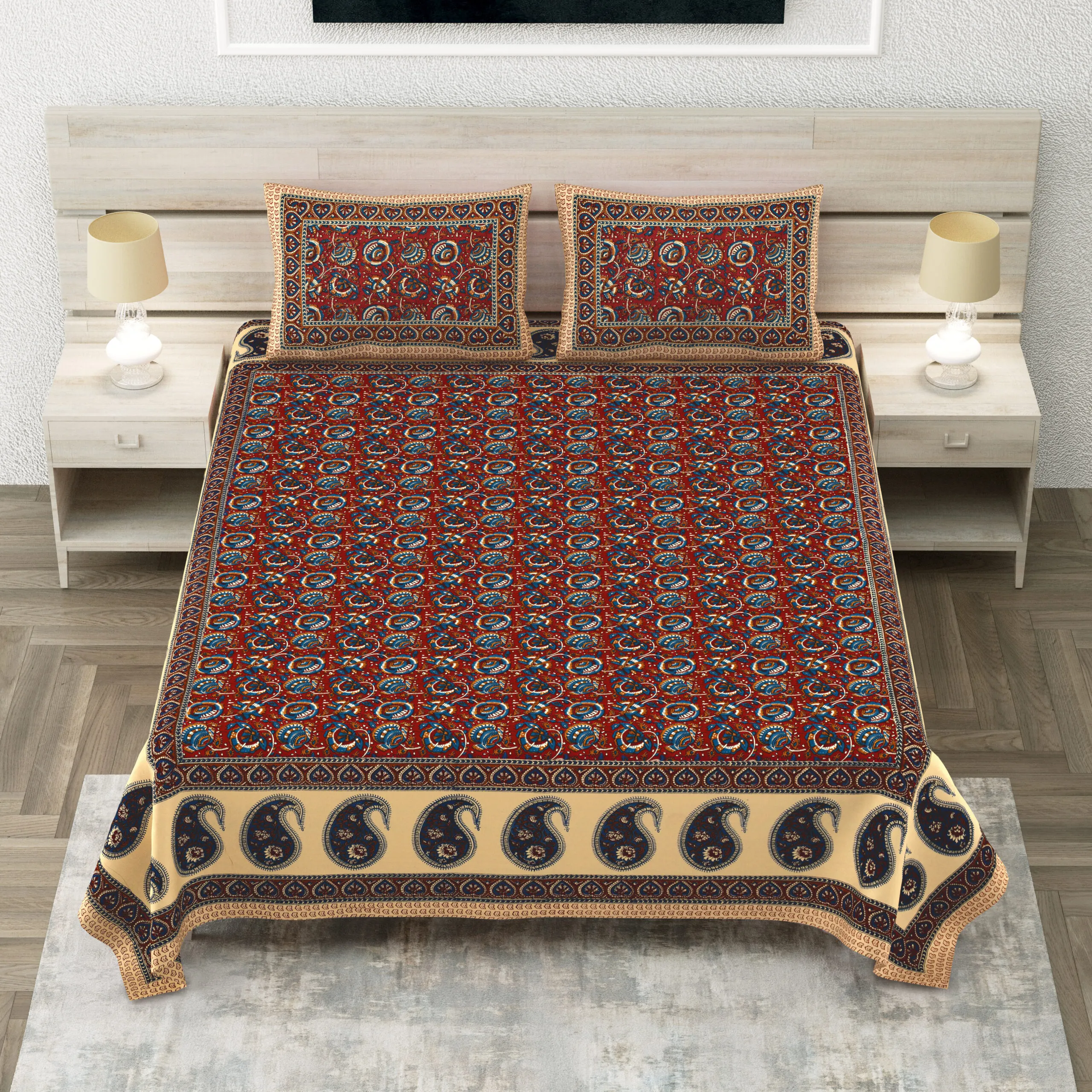
Glace Cotton vs Pure Jaipuri Cotton — Side by Side
| Attribute | Glace Cotton | Pure Jaipuri Cotton |
|---|---|---|
| Breathability | Low — traps heat and moisture | High — natural moisture-wicking |
| Pilling | Pills quickly, within weeks of regular use | Resists pilling far longer with proper care |
| Lifespan | Short — chemical finish wears off, fabric thins fast | Long — genuine cotton fiber holds up over years |
| Skin-friendliness | Poor for sensitive skin — synthetic, occlusive surface | Excellent — natural, breathable fiber |
- Surface: Smooth, shiny, slightly plastic to the touch
- Composition: Usually 100% polyester or microfiber
- Typical cost: Very low — as low as ₹150 wholesale
- Surface: Slightly textured, natural hand-feel, noticeable weight
- Composition: 100% cotton, named grade, no synthetic blend
- Typical cost: Reflects genuine natural fiber production cost
The RTO Math (Why Cheap Ruins Margins)
The ₹150 wholesale price looks like an obvious margin win — until the Return to Origin (RTO) cost is factored in. A high return rate bedsheets on Meesho and similar platforms consistently show for mislabeled synthetic stock erases the entire initial margin advantage, and often turns the order into a net loss.
The Burn Test
You don't need a lab to verify fabric composition — a simple thread burn test, done carefully with a small snipped thread and a lighter or match, tells you almost everything you need to know about what you're actually stocking.
Turns to Ash
Burns quickly with a steady flame, smells like burning paper, and leaves behind a fine, soft grey ash that crumbles easily between your fingers.
Melts Into a Hard Bead
Melts and shrinks away from the flame rather than burning cleanly, smells like burning plastic, and leaves behind a hard, dark, melted bead instead of ash.
- Snip a small thread from a corner seam or hem where it won't be noticeable.
- Hold it with tongs or tweezers, away from anything flammable, and apply a lighter flame briefly.
- Watch how it burns: steady flame and ash means cotton; shrinking, melting, and a hard bead means synthetic.
- Smell the smoke: paper-like smell confirms cotton; a chemical, plastic smell confirms polyester or a synthetic blend.
Skip the guesswork — get named-grade pure cotton specifications in writing
Call Now →The Shree Srishti Pure Cotton Guarantee
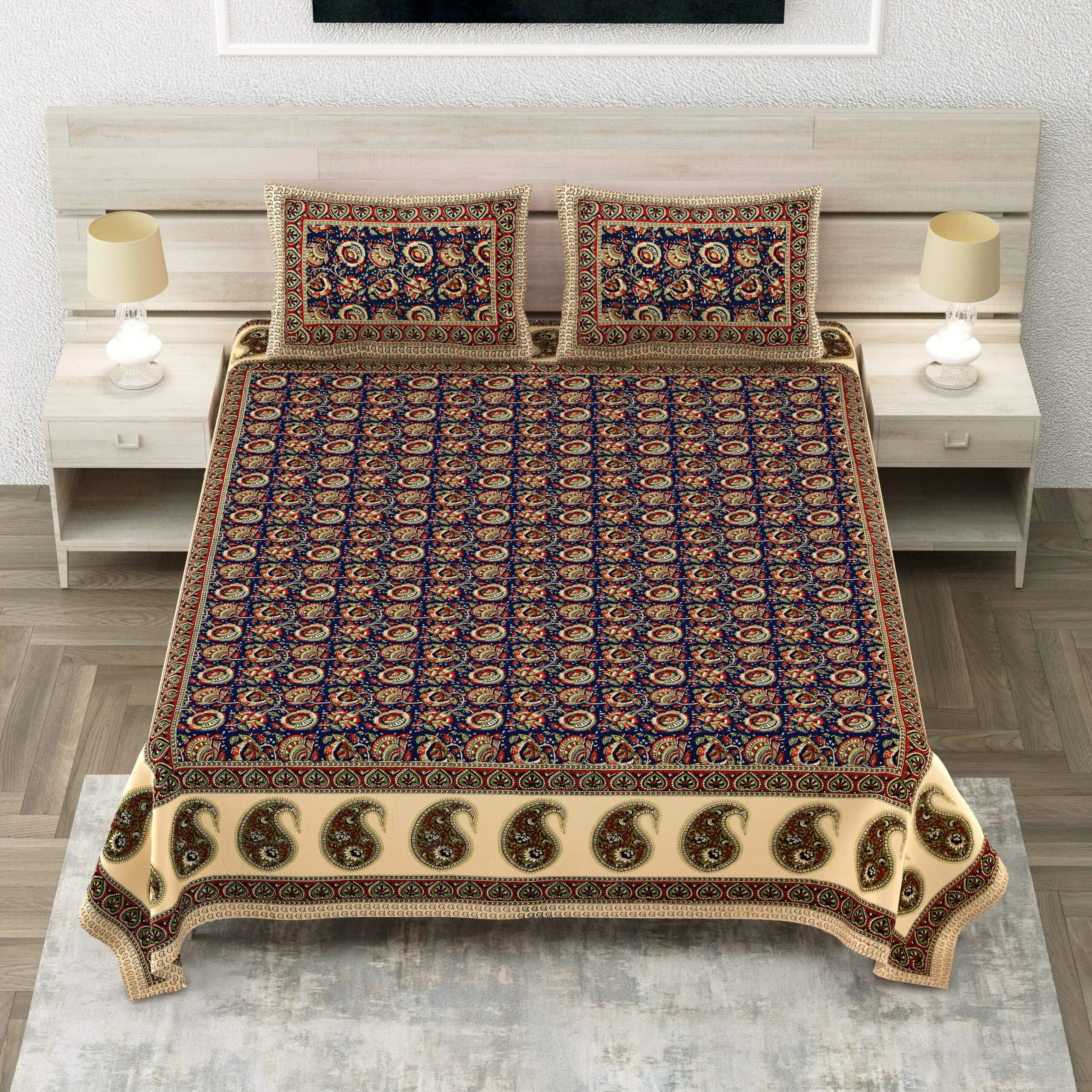
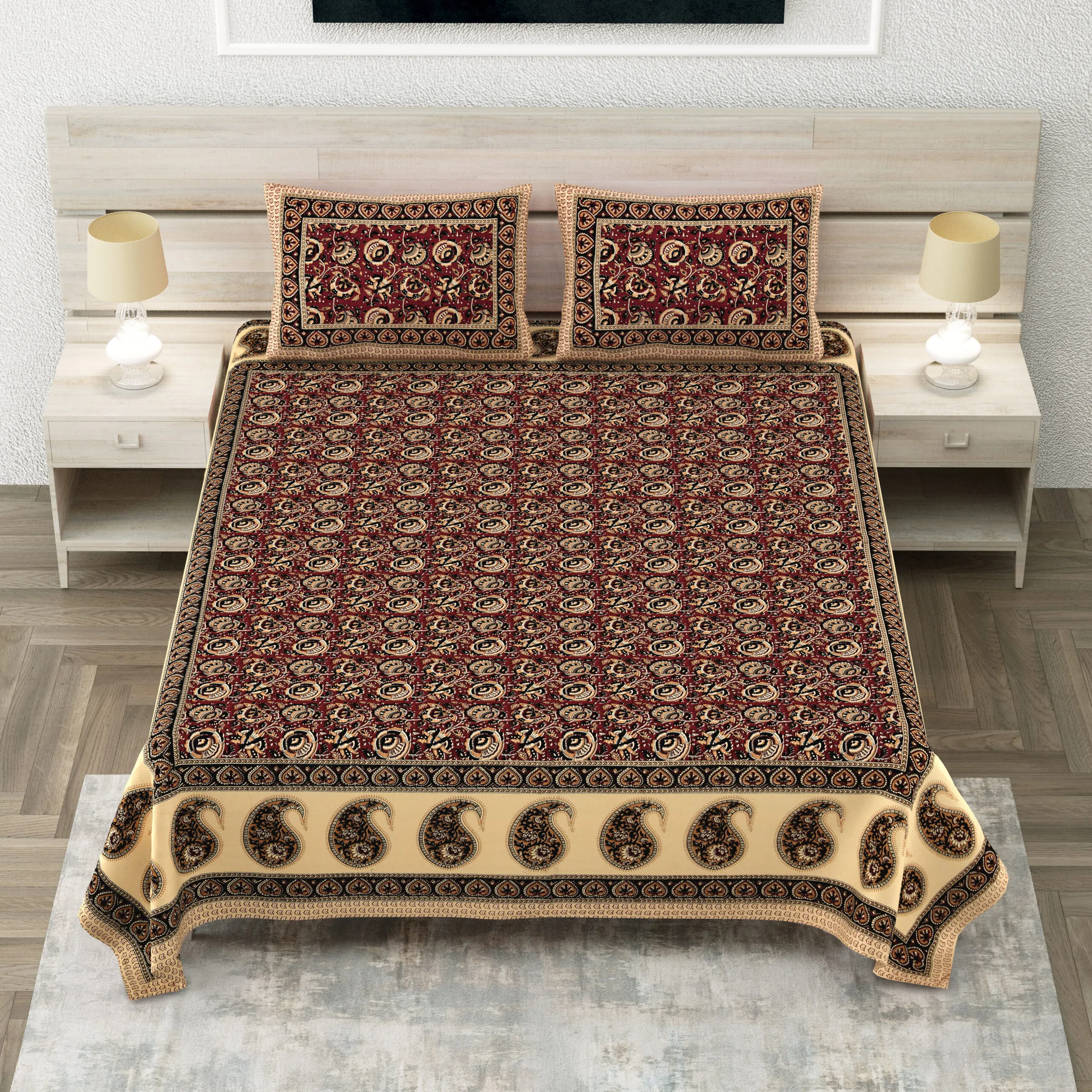
As a pure cotton wholesale bedsheets Jaipur manufacturer, we specialize exclusively in 100% pure cotton and never stock or sell glace or polyester-blended fabric under any label. Every Sanganeri and Bagru print we produce is built on named-grade pure cotton — a foundation, not a marketing claim, for building the kind of repeat retail customer base that a synthetic mislabeling scandal can never sustain.
A customer who sleeps well on a genuinely breathable pure cotton bedsheet comes back for their next purchase, and tells others. A customer burned once by a "pure cotton" sheet that turned out synthetic never fully trusts that claim from your store again — no discount recovers that lost trust as reliably as never breaking it in the first place.
Frequently Asked Questions
Request a Pure Cotton Sample
Call us to request a 100% pure cotton wholesale sample today — verify the fabric yourself before you commit to a bulk order.